Your Template Is Quietly Costing You Customers
Costing You Customers
Most business owners pick a theme for a sensible reason: it's fast, it's affordable and it looks fine in the demo. The problem is that "fine" is exactly what your competitors bought too.
Customers notice more than you think
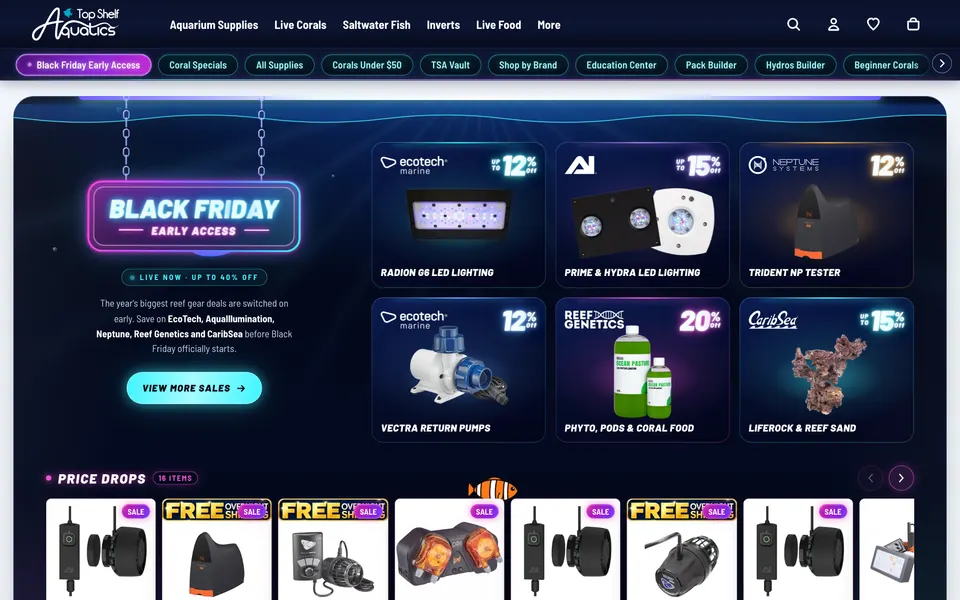
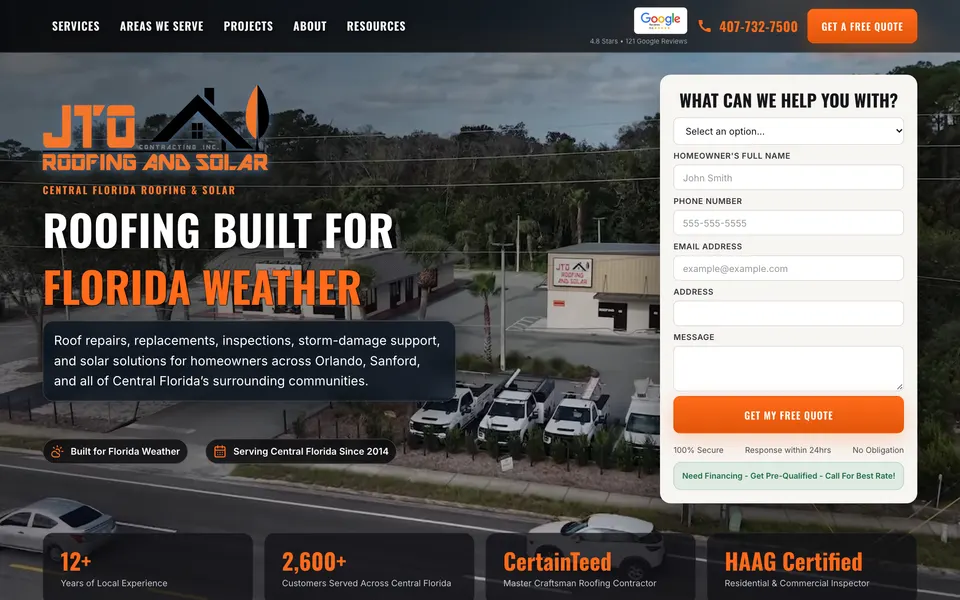
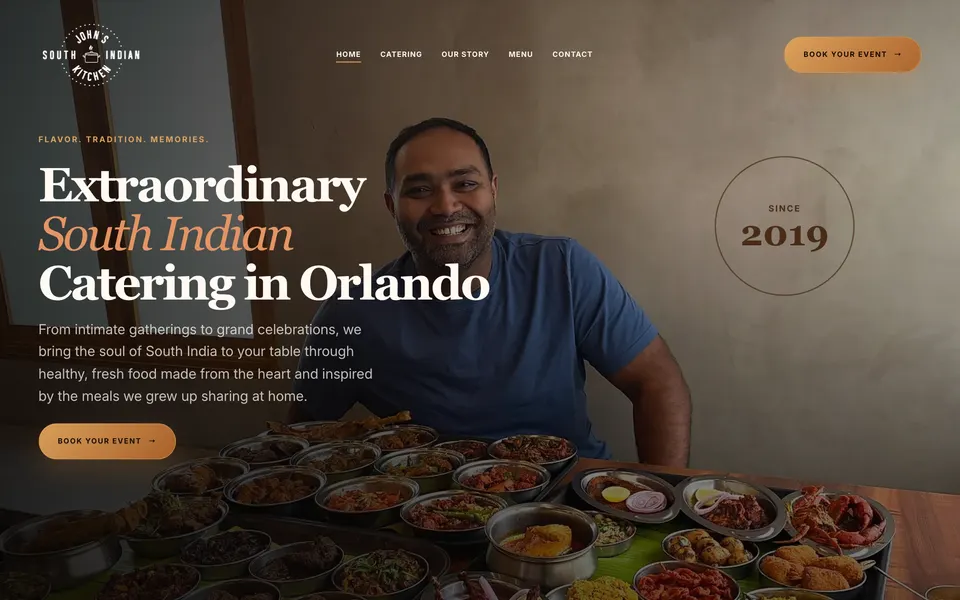
People form an impression of a website in a fraction of a second. They can't always say why a site feels trustworthy, but they can feel when it looks like a hundred others. A familiar layout with your logo swapped in tells visitors you're one option among many, which is the opposite of what you want them to believe.
That impression shows up in the numbers: fewer enquiries, more price shopping and more "we went with someone else."
Templates are designed for everyone, so they fit no one
A theme has to work for a bakery, a law firm and a dropshipper at the same time. That means:
- Generic structure. Sections are arranged for the demo content, not your customer's decision.
- Bloated code. Features you'll never use still load on every page, slowing you down on mobile.
- Rigid layouts. The moment you need something specific, you're fighting the theme or stacking plugins.
Each compromise is small. Together they add up to a site that looks okay and performs poorly.
What custom actually changes
Custom doesn't mean flashy. It means every decision is made for your business:
- Your message leads. We start from what makes you different and design the page around proving it.
- The path is obvious. Navigation, calls to action and forms are arranged around the one thing you need visitors to do.
- It's fast. No unused features, no page-builder overhead, just what your site needs.
- It grows with you. Components are built for your content, so adding a service or product doesn't break the layout.
"But custom costs more"
Up front, often yes. But a theme isn't free once you count the hours spent wrestling it, the plugins you pay for every month and the customers who quietly leave. A site that converts even a few more visitors a month usually pays for the difference quickly.
A quick self-check
Open your homepage next to your top three competitors. Cover the logos. If you can't tell which site is yours, your customers can't either.
Your website should be the most convincing salesperson you have. It can't do that wearing someone else's suit.
If that test made you wince, book a call and we'll walk through what a from-scratch approach would look like for you.